

Understanding Gutter Installation in Arkansas
Gutter installation in Arkansas is a essential part of home maintenance, especially given the region’s unique weather patterns. The state experiences a mix of torrential rain, frequent storms, and temperature fluctuations, all of which can impact the effectiveness of a home’s gutter system. Correct gutter installation ensures that water is guided away from the foundation, preventing structural damage and costly repairs.
Experienced services are essential for ensuring that the installation meets area standards and is adapted to the specific needs of the home. In Arkansas, where weather can be variable, depending on seasoned contractors is crucial to long-term protection. Whether you're in Little Rock or Fayetteville, the correct gutter system can create a significant change in how well your home handles the elements.
The weather impact on gutters in Arkansas is important. Heavy rains can strain incorrectly installed systems, leading to water pooling around the foundation. https://north-little-rock-ar.agmguttershorsehoebend.com/ This is why grasping the local environment is crucial when designing gutter installation. Professional services can examine your home’s specific needs and recommend the best approach for your location.
Crucial Elements Affecting Gutter Installation in Arkansas
Climate elements in Arkansas exert a major role in deciding the best method to gutter installation. The state has a humid tropical weather in many areas, with warm summer seasons and mild winter seasons. This indicates that gutters needs be able to manage both heavy rainfall and the possibility for frozen water accumulation in chilly months. Material selection is also a critical element, as different substances operate variously under different weather.
Arkansas climate can vary substantially across the state. For example, Little Rock generally obtains around 50 inches of rainfall every year, while Fayetteville experiences frequent summer season tempests. These variations indicate that gutter setup must be adapted to area conditions. Professionals in Arkansas are familiar with these variations and are capable of provide solutions that are personalized to the exact location.
Area rules also exert a function in gutter installation. Each municipality in Arkansas might have its own collection of requirements, especially when it comes to security standards and building codes. Guaranteeing that your gutter setup meets with these regulations is critical for both safety and regulatory adherence.
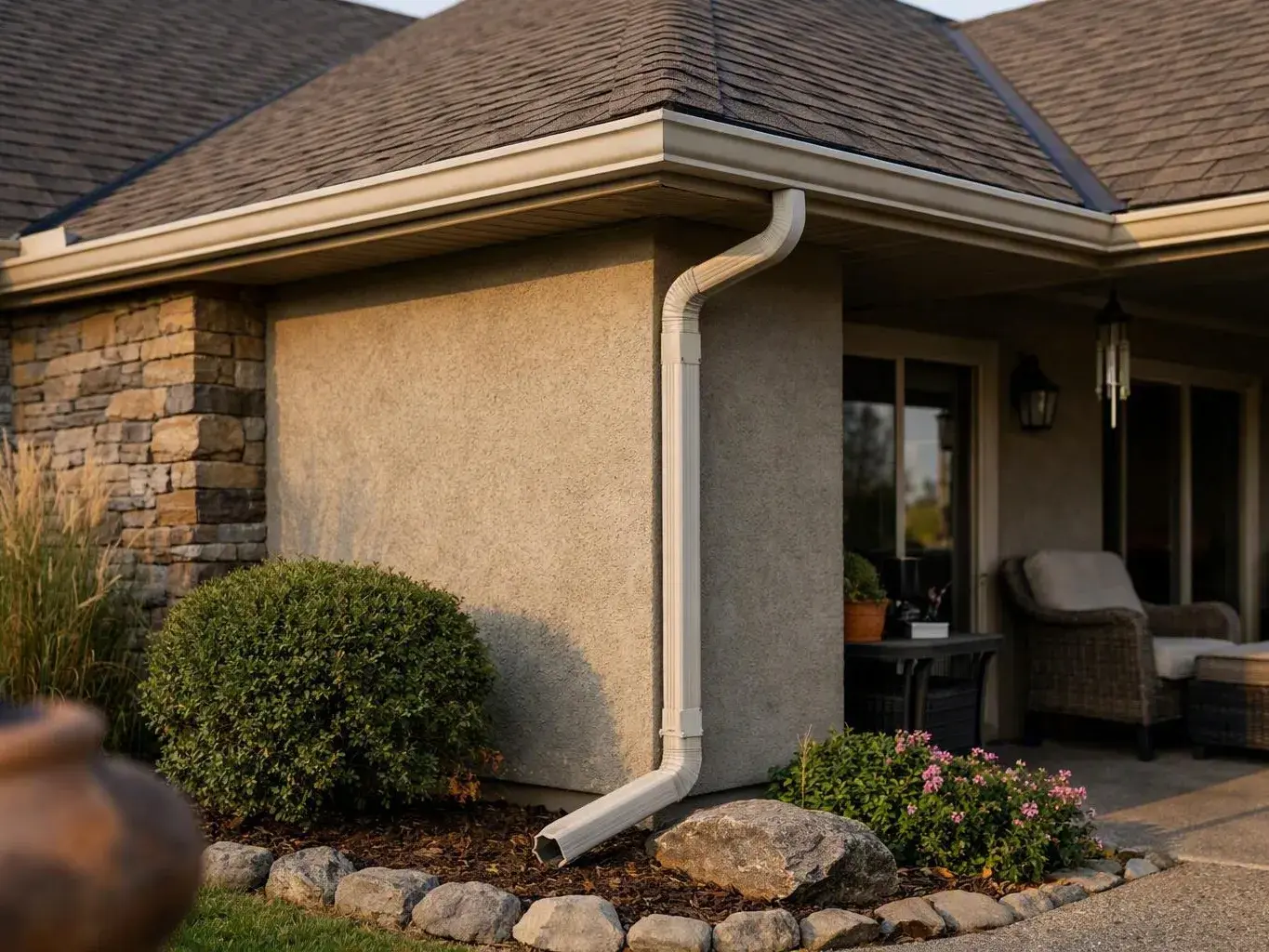
How Weather Affects Gutter Installation in Arkansas
Precipitation is one of the most major aspects in gutter installation in Arkansas. The state sees intense rainfalls, especially in the first season and summer months. Without a properly set up gutter system, liquid can accumulate around the residence, causing to foundation injury and mold growth. In regions like Little Rock, where precipitation is frequent, gutters must be designed to deal with large quantities of liquid effectively.
Temperature fluctuations in Arkansas can also impact the function of gutters. Sudden declines in temperature can result in frozen water to develop in gutters, leading to clogs and likelihood for harm. This is specifically vital in the northern regions of the state, where winter months can be chilly. Putting in gutters that can survive these heat shifts is critical for long-term sturdiness.
Storm seasons in Arkansas bring the risk of strong gusts and downpours, which can damage gutters and cause them to detach from the roof. This is why it's important to choose a reliable contractor who understands the local weather conditions. In regions like Fayetteville, where severe weather are common, gutters must be strengthened to withstand these conditions.
Arkansas regions vary in their weather patterns, which means that a one-size-fits-all approach to gutter installation won’t work. For example, the central region of the state experiences significant temperature swings, while the southern parts are more prone to wet conditions and rain. Contractors in Arkansas are prepared to account for these area-specific factors when designing and setting up gutters.
Best Materials for Gutter Installation in Arkansas
When it comes to gutter installation in Arkansas, choice of material is a key consideration. The right material can make a big difference in how well the gutters perform under local weather conditions. Aluminum gutters are a popular choice because they are lightweight, durable, and resistant to rust. They are well-suited for the state’s humid climate and can handle the frequent rainfall without corroding.
Iron gutters are another option, offering greater strength and durability. They are ideal for areas with heavy rainfall or frequent storms. However, iron gutters may require additional maintenance to prevent rust, especially in regions with high humidity. This makes them a good choice for homes in Fayetteville or other areas with intense summer storms.
PVC gutters are an affordable option that is easy to install and maintain. They are resistant to corrosion and can withstand temperature fluctuations, making them a good fit for many parts of Arkansas. However, they may not be as durable as metal options and can be more prone to cracking in extreme weather conditions.
Brass gutters are a premium choice, offering both durability and a unique aesthetic. They are resistant to corrosion and can last for decades with minimal maintenance. While they are more expensive, they are a good investment for homeowners who want a long-lasting and visually appealing gutter system. Brass gutters are often used in historic neighborhoods or homes that value a classic look.
Cost of Gutter Installation in Arkansas
The average price of gutter installation in Arkansas can vary depending on several factors, including the dimension of the home, the variety of supplies used, and the complexity of the installation process. On generally, homeowners can anticipate to pay between $3 and $7 per foot of length for professional installation. This span can increase if the project involves more work, such as roof repairs or structural modifications.
In Little Rock, where the average precipitation is around 50 inches per year, the price of gutter installation process may be somewhat higher due to the requirement for more durable equipment. Homeowners in this location commonly select supplies that can deal with extreme rain, such as aluminum or metal, which can affect the entire cost. The local pricing in Little Rock is affected by the demand for top-notch installation work and the need for units that can endure the region’s weather.
Fayetteville, with its humid temperate environment and regular summer rainstorms, also has its own cost factors. The price of gutter setup in this location may be shaped by the need for reinforced systems that can handle large amounts of liquid and strong winds. Homeowners in Fayetteville typically select resources that are both long-lasting and resistant the region’s climate, which can impact the overall expense.
Arkansas pricing for gutter installation is also influenced by the availability of local professionals and the degree of rivalry in the market. In locations with a large number of expert services, homeowners may discover greater competitive pricing. However, in greater outlying regions, the expense may be greater due to restricted choices and the need for expert installation process.
Process Involved in Professional Gutter Installation
The measurement process is the first step in any qualified gutter installation. Contractors will examine the roofline to determine the exact length and layout of the gutters needed. This ensures that the system is tailored to the specific dimensions of the home, providing optimal water drainage. In Arkansas, where homes vary in size and design, precise measurements are essential for a successful installation.
The installation process involves attaching the gutters to the roof using brackets and hangers. This step requires precision to ensure that the gutters are properly aligned and can efficiently channel water away from the home. In areas like Little Rock, where heavy rainfall is common, the installation must be done with more care to avoid leaks or overflow.
A roof evaluation is a critical part of the installation process. Before installing gutters, contractors will inspect the roof for any damage or issues that could impact the performance of the system. This includes examining for loose shingles, damaged flashing, or structural weaknesses. In Arkansas, where storms can be intense, a detailed roof assessment helps ensure that the gutter system is installed on a reliable and stable foundation.
Arkansas contractors are educated to handle the unique challenges of the local climate. They recognize the importance of proper installation and are equipped with the tools and knowledge needed to carry out the job efficiently. Whether you're in Fayetteville or a smaller town, professional contractors in Arkansas can supply reliable and high-quality gutter installation support.
Gutter maintenance and Service in Arkansas
Maintenance schedule is an important consideration for residents in Arkansas. Due to the state’s recurring rainfall and substantial debris, gutters should be serviced at least on a biannual basis a year—one time in the early season and one time in the fall. This helps prevent obstructions and ensures that the setup functions correctly during the rainy season.
Autumn material, such as leaves and small limbs, can rapidly block gutters, especially in locations with plenty forests. In Arkansas, where the autumn time delivers a lot of greenery, frequent cleaning is essential to keep the efficiency of the gutter unit. Residents should inspect their gutters following each significant storm to ensure that they are free of obstructions.
Arkansas precipitation can be considerable and uncertain, which means that even a minor obstruction can lead to liquid injury. Ongoing care helps avoid these problems and ensures that the gutters can cope with the volume of moisture that falls during tempests. In cities like Little Rock, where precipitation is a constant concern, sustaining a regular maintenance schedule is crucial.
Upkeep guidelines for Arkansas homeowners include checking for leaks, inspecting the drain pipes, and confirming that the gutters are adequately angled to let water to travel from from the residence. These simple actions can support prolong the duration of the gutter unit and stop high maintenance. Experienced contractors in Arkansas can also offer advice on how to most effectively look after your gutters based on your particular region and weather.
Building Codes and Regulations for Gutters in Arkansas
Arkansas building codes set the minimum guidelines for gutter installation, ensuring that all installations are secure and effective. These codes cover everything from the materials used to the installation approaches, and they are designed to shield both the property and the community. In Arkansas, compliance with these codes is vital for any gutter installation undertaking.
Local ordinances in Arkansas may add additional requirements, especially in cities with particular regulations. For example, some areas may need gutters to be installed in a certain way to prevent water from pooling on neighboring homes. In historic neighborhoods, there may be restrictions on the type of materials that can be used to preserve the area’s architectural integrity.
Security guidelines are also a key element of gutter installation in Arkansas. Contractors must follow guidelines that ensure the installation is secure and does not pose a risk to people or property. This includes appropriate fastening techniques and the use of high-caliber materials that can withstand the region’s weather conditions.
City standards can vary, so it’s important to check with local authorities before starting any gutter installation project. In cities like Springfield, where there are specific regulations for historic areas, homeowners may need to obtain additional permits or follow special guidelines. Understanding these requirements can help avoid delays and ensure that the installation meets all necessary standards.
What are the most common types of gutters used in Arkansas?
Aluminum and vinyl gutters are the most common types used in Arkansas due to their durability and resistance to the state's humid climate. Steel and copper gutters are also used in certain areas, depending on the homeowner's preferences and budget. For dependable Gutter Installation in Arkansas in Arkansas, AGM Gutters provides experienced guidance and practical solutions.
How do climate conditions in Arkansas affect gutter installation?
Arkansas experiences heavy rainfall, frequent storms, and temperature fluctuations, which can impact the effectiveness of a gutter system. Proper installation must account for these conditions to ensure long-term performance and protection against water damage.
What choices are most appropriate for Arkansas weather?
Aluminum and steel gutters are appropriate for Arkansas weather due to their sturdiness and anti-rust properties. Vinyl gutters are also a common option for their low price and simple upkeep. Copper gutters are a high-end choice that offers both sturdiness and aesthetic appeal.
What is the usual expense of gutter installation in Arkansas?
The average cost of gutter installation in Arkansas falls between $3 to $7 per linear foot. This can vary based on the type of materials, the size of the home, and the difficulty of the setup. In cities like Little Rock and Fayetteville, the cost may be affected by local circumstances and contractor availability.
What are the processes involved in expert gutter installation?
Skilled gutter installation generally involves measuring the eaves, assessing the roof for any issues, securing the gutters with fasteners and mounts, and ensuring proper drainage. Contractors in Arkansas are prepared to manage the distinct issues of the area's weather and weather conditions.